
Define the accountable unit
Map each meter to a tenant, unit, shared facility, common area or landlord load. Document how vacant units, changes of tenant and common charges are handled.

Support transparent tenant and rental energy allocation with a measurement plan that fits the property. Define each accountable circuit, the intended reading or billing workflow, installation constraints and data handover before choosing the meter route.
Map each meter to a tenant, unit, shared facility, common area or landlord load. Document how vacant units, changes of tenant and common charges are handled.
Confirm single- or three-phase, voltage, current, direct or transformer input, installation space and expected reading method for each property type.
Separate internal allocation or monitoring from any regulated billing activity. Verify exact model documentation and local requirements before making a billing claim.
Create a unit-to-circuit schedule, then select one of three operating routes: local reading, remote postpaid sub-metering or prepaid metering.
For projects where readings are collected at the meter or during periodic site visits. Confirm display access, reading frequency, record retention and responsibility for tenant statements or allocation review.
For projects that send verified model data through a gateway or platform for periodic allocation or settlement. Confirm the interface, data interval, platform owner, exception handling, tenant reporting and record-retention process.
For projects using a keypad, CIU or another verified prepaid configuration. Confirm token or vending responsibility, customer workflow, model documentation and local requirements separately.
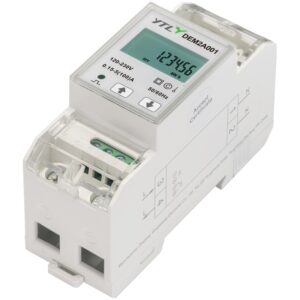
100 A Single-Phase DIN-Rail Energy Meter with SO Pulse Output
View Products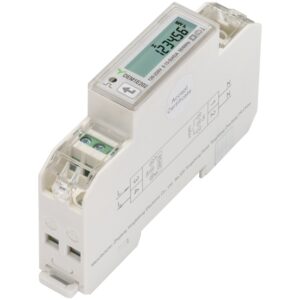
45 A Single-Phase DIN-Rail Energy Meter with RS485
View Products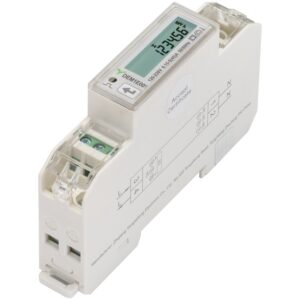
45 A Single-Phase DIN-Rail Energy Meter with SO Pulse Output
View Products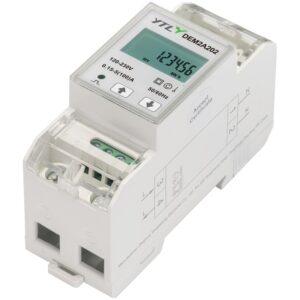
100 A Single-Phase DIN-Rail Energy Meter with RS485
View Products 45 A Single-Phase DIN-Rail Energy Meter with SO Pulse Output
View Products 45 A Single-Phase DIN-Rail Energy Meter with RS485
View Products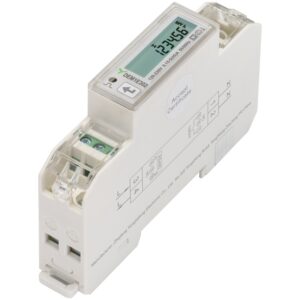
45 A Single-Phase DIN-Rail Energy Meter with RS485 and TOU
View Products 100 A Single-Phase DIN-Rail Energy Meter with SO Pulse Output
View Products 100 A Single-Phase DIN-Rail Energy Meter with RS485
View ProductsPrepare a schedule that maps each meter to a tenant, unit, shared facility or common area, with physical location and circuit name.
Define what each record means, how common energy is handled, and who owns the review or tenant query process.
Confirm phase, voltage, maximum current, direct or transformer input, wiring and required installation type.
State how records are captured, how often they are reviewed, who receives them and how exceptions are handled.
Identify whether the use is internal allocation, operational monitoring or regulated billing, then check the applicable local and model-specific requirements.
Plan meter labels, move-in or move-out records, vacant-unit process, configuration history and replacement procedure.
Define the accountable tenant or property unit, electrical circuit, reading process, allocation rule, installation location and intended use of the energy record.
Yes, if the common-area circuit and allocation rule are documented. Keep the associated record distinct from individual tenant consumption.
The project may use local manual reading, a verified remote postpaid data route or a prepaid meter configuration. For each route, confirm the meter model, data or customer interface, responsible operator, reading or settlement cycle, exception process and record-retention requirement.
No. Billing use may require specific documentation or local approval. Verify the exact product, configuration, destination market and use case before relying on a meter for regulated billing.
Tell us your requirements and our team will provide a professional solution and quotation within 24 hours.
 Optimized by Seraphinite Accelerator