
Locate the charging measurement point
Define whether the meter is at an AC input, distribution branch, DC module or gun-output-related position. Each route has different electrical and integration inputs.

YTL provides proven AC and DC energy meters for EV charging applications, supporting charging stations, EVSE manufacturers and charging operators with reliable measurement, communication and billing data.
Define whether the meter is at an AC input, distribution branch, DC module or gun-output-related position. Each route has different electrical and integration inputs.
State whether energy data supports a regulated billing use, internal settlement, charger operation, maintenance or another workflow. Documentation needs may differ.
Confirm the charging controller, required interface and protocol, data fields, register map, gateway or platform route, data timing and acceptance test.
Use the charger electrical diagram and a controller-integration brief. For DC fast charging, DC voltage and current plus sensing arrangement are required; charger power alone is not sufficient.
Confirm single- or three-phase wiring, voltage, maximum continuous current, direct or CT input, cabinet space, measurement purpose and controller interface.
Confirm DC voltage, maximum current, shunt or sensor method, auxiliary supply, polarity, cabinet layout, safety requirements and desired energy-data path.
Confirm market and billing use, exact model document requirements, controller data fields, protocol or register map, gateway architecture and project acceptance criteria.
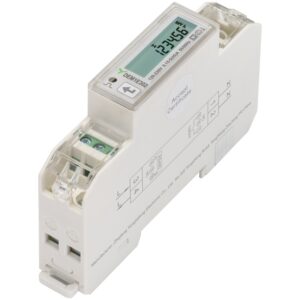
45 A Single-Phase DIN-Rail Energy Meter with RS485 and TOU
View Products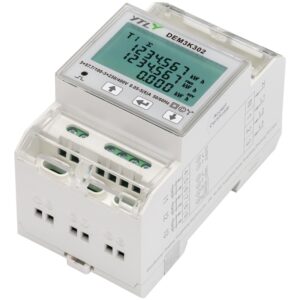
6 A Three-Phase CT-Operated DIN-Rail Energy Meter with RS485 and TOU
View Products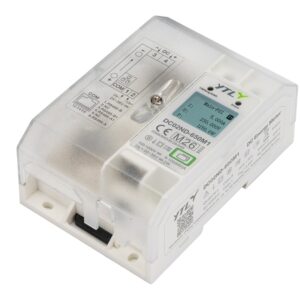
650 A Integrated-Shunt DC Energy Meter with RS485 and Ethernet
View Products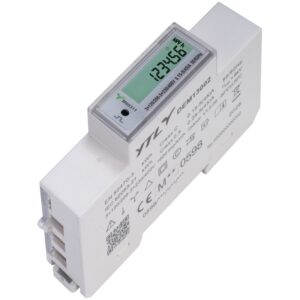
45 A Three-Phase Four-Wire DIN-Rail Energy Meter for EV Charging
View Products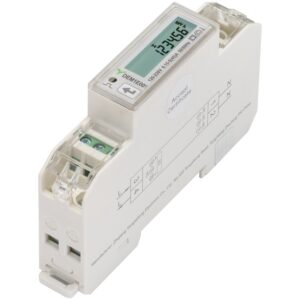
45 A Single-Phase DIN-Rail Energy Meter with SO Pulse Output
View Products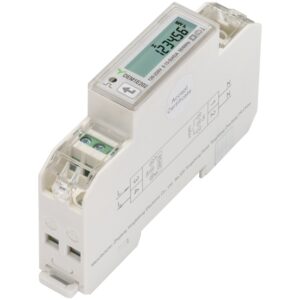
45 A Single-Phase DIN-Rail Energy Meter with RS485
View Products 45 A Single-Phase DIN-Rail Energy Meter with RS485 and TOU
View Products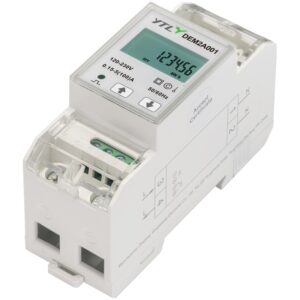
100 A Single-Phase DIN-Rail Energy Meter with SO Pulse Output
View Products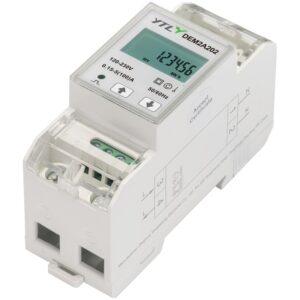
100 A Single-Phase DIN-Rail Energy Meter with RS485
View Products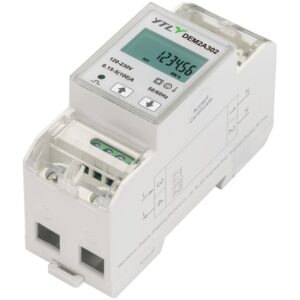
100 A Single-Phase DIN-Rail Energy Meter with RS485 and TOU
View Products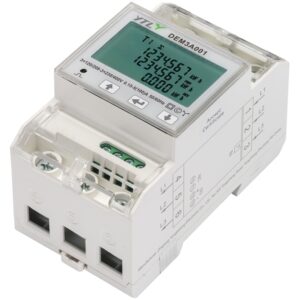
100 A Three-Phase DIN-Rail Energy Meter with SO Pulse Output
View Products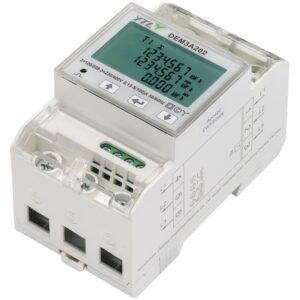
100 A Three-Phase DIN-Rail Energy Meter with RS485
View Products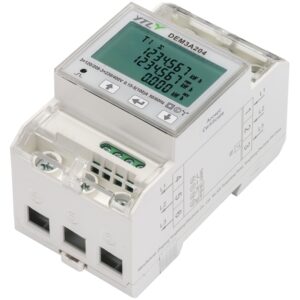
DEM3A204 100 A Three-Phase DIN-Rail Energy Meter with M-Bus
View Products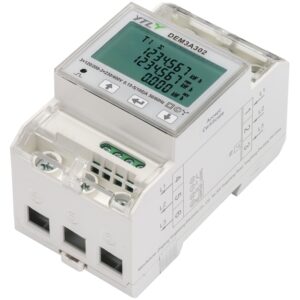
DEM3A302 100 A Three-Phase DIN-Rail Energy Meter with RS485 and TOU
View Products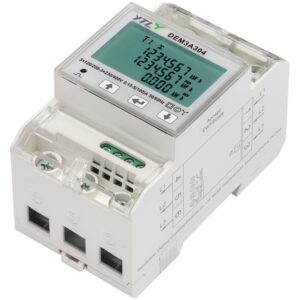
DEM3A304 100 A Three-Phase DIN-Rail Energy Meter with M-Bus and TOU
View Products
DEM3K001 6 A Three-Phase CT-Operated DIN-Rail Energy Meter with SO Pulse Output
View Products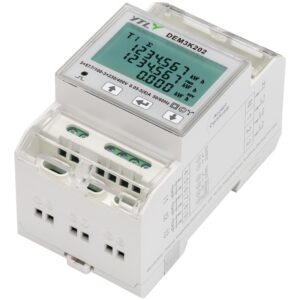
DEM3K202 6 A Three-Phase CT-Operated DIN-Rail Energy Meter with RS485
View Products 6 A Three-Phase CT-Operated DIN-Rail Energy Meter with RS485 and TOU
View Products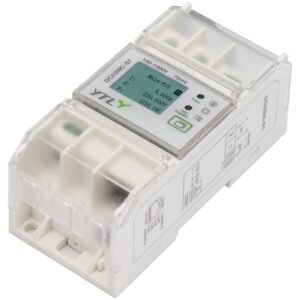
75 mV External-Shunt DC Energy Meter with RS485 and Ethernet
View Products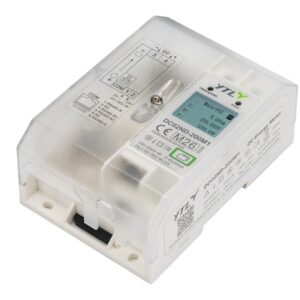
200 A Integrated-Shunt DC Energy Meter with RS485 and Ethernet
View Products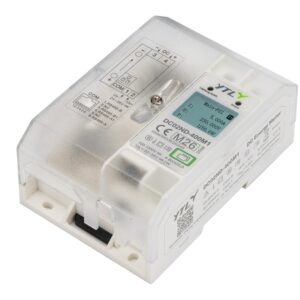
400 A Integrated-Shunt DC Energy Meter with RS485 and Ethernet
View Products 650 A Integrated-Shunt DC Energy Meter with RS485 and Ethernet
View Products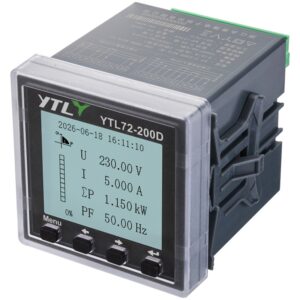
72 mm Panel-Mount Multifunction Power Meter with RS485
View Products 72 mm Panel-Mount Multifunction Power Meter with RS485 and DI/DO
View Products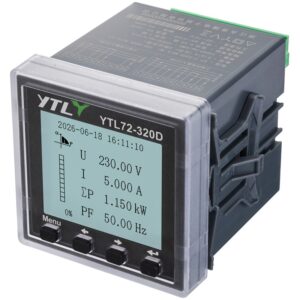
72 mm Panel-Mount Multifunction Power Meter with RS485, Y-Bus and DI/DO
View Products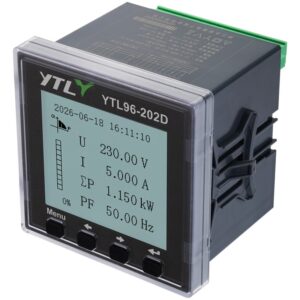
96 mm Panel-Mount Multifunction Power Meter with RS485 and Harmonic Analysis
View Products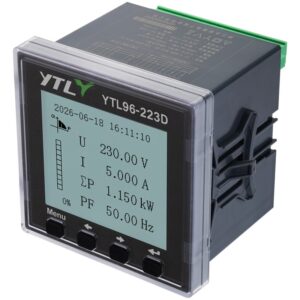
96 mm Panel-Mount Multifunction Power Meter with RS485, Y-Bus and Harmonic Analysis
View Products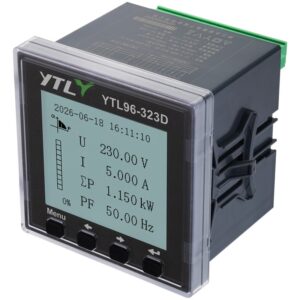
96 mm Panel-Mount Multifunction Power Meter with RS485, Y-Bus, Tariff and Harmonic Analysis
View Products
100 A Single-Phase DIN-Rail Energy Meter with Dual SO Pulse Output
View Products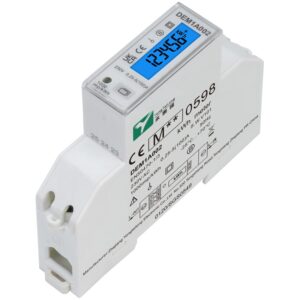
100 A Single-Phase DIN-Rail Energy Meter with RS485
View Products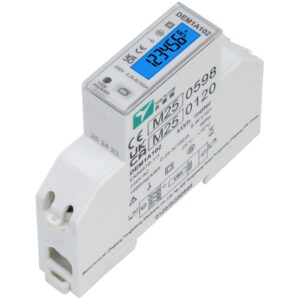
100 A Single-Phase DIN-Rail Energy Meter with RS485 and Multi-Tariff
View Products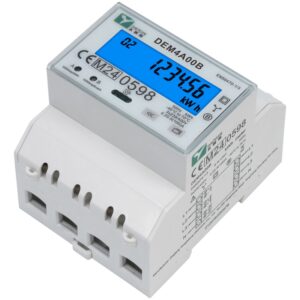
100 A Three-Phase DIN-Rail Energy Meter with RS485 and Dual SO Output
View Products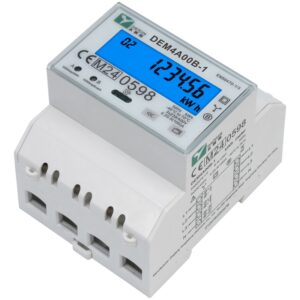
100 A Three-Phase DIN-Rail Energy Meter with RS485 (Bottom-to-Top Wiring)
View Products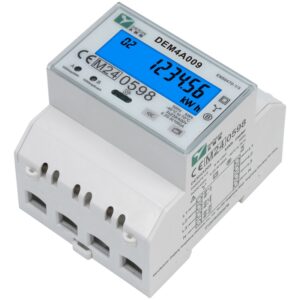
100 A Three-Phase DIN-Rail Energy Meter with IR and Dual SO Output
View Products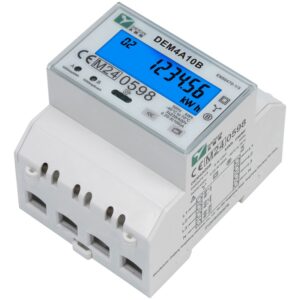
100 A Three-Phase DIN-Rail Energy Meter with RS485, Multi-Tariff and Dual SO Output
View Products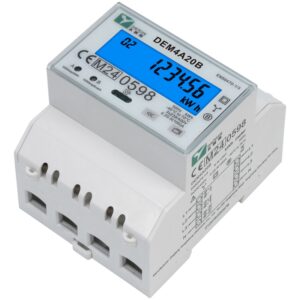
100 A Three-Phase DIN-Rail Energy Meter with RS485, SO Output and Signal Input
View Products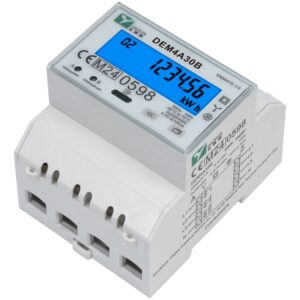
100 A Three-Phase DIN-Rail Energy Meter with RS485, Multi-Tariff, SO Output and Signal Input
View Products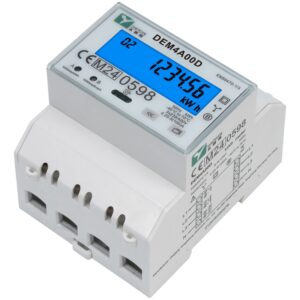
100 A Three-Phase DIN-Rail Energy Meter with M-Bus and Dual SO Output
View Products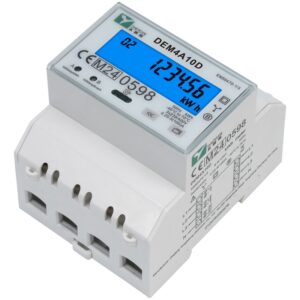
100 A Three-Phase DIN-Rail Energy Meter with M-Bus, Multi-Tariff and Dual SO Output
View Products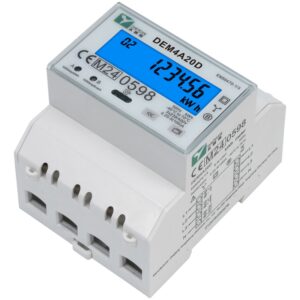
100 A Three-Phase DIN-Rail Energy Meter with M-Bus, SO Output and Signal Input
View Products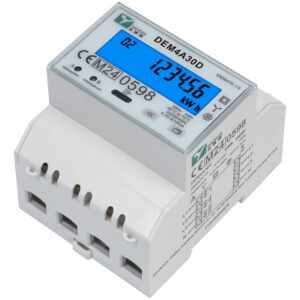
100 A Three-Phase DIN-Rail Energy Meter with M-Bus, Multi-Tariff, SO Output and Signal Input
View Products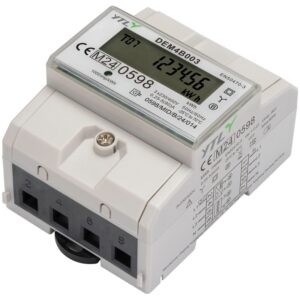
80 A Three-Phase DIN-Rail Energy Meter with RS485
View Products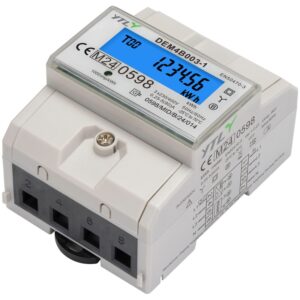
80 A Three-Phase DIN-Rail Energy Meter with RS485 and LCD Backlight
View Products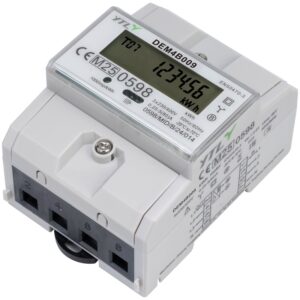
80 A Three-Phase DIN-Rail Energy Meter with Infrared Communication
View Products
80 A Three-Phase DIN-Rail Energy Meter with Infrared Communication and LCD Backlight
View Products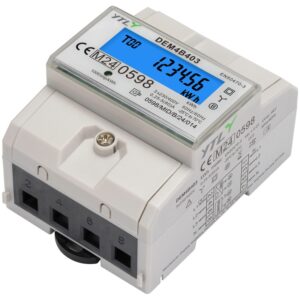
80 A Three-Phase DIN-Rail Energy Meter with RS485 and Power Outage Display
View Products
80 A Three-Phase DIN-Rail Energy Meter with RS485 and Power Outage Display
View Products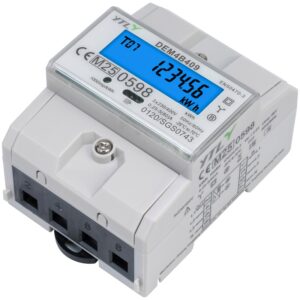
80 A Three-Phase DIN-Rail Energy Meter with Infrared Communication and Power Outage Display
View Products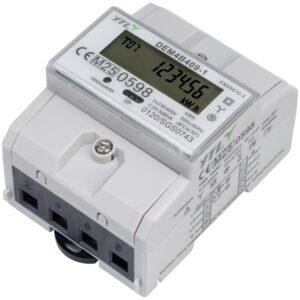
80 A Three-Phase DIN-Rail Energy Meter with Infrared Communication and Power Outage Display
View Products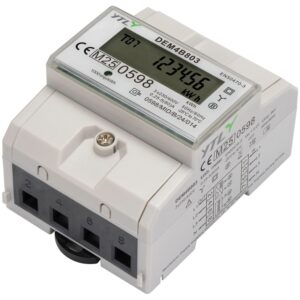
80 A Three-Phase DIN-Rail Energy Meter with RS485, RTC and Multi-Tariff
View Products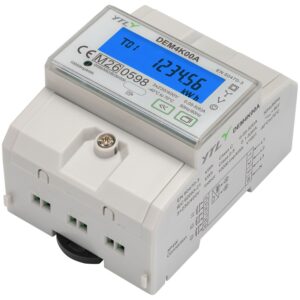
6 A Three-Phase CT-Operated DIN-Rail Energy Meter with Infrared Communication
View Products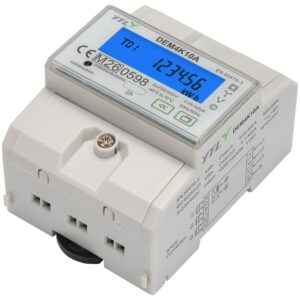
6 A Three-Phase CT-Operated DIN-Rail Energy Meter with Infrared Communication, RTC and Multi-Tariff
View Products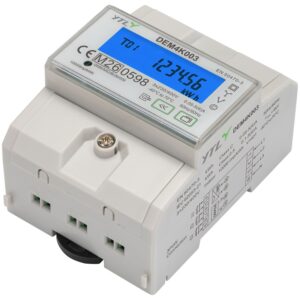
6 A Three-Phase CT-Operated DIN-Rail Energy Meter with RS485
View Products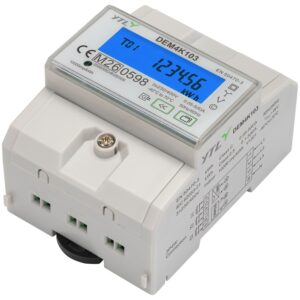
6 A Three-Phase CT-Operated DIN-Rail Energy Meter with RS485, RTC and Multi-Tariff
View Products
100 A Single-Module Anti-Reverse-Flow Energy Meter with CT and WiFi/Bluetooth
View Products
200–2400 A Single-Module Anti-Reverse-Flow Energy Meter with Rogowski Coil and WiFi/Bluetooth
View Products
200–2400 A Single-Module Anti-Reverse-Flow Energy Meter with Rogowski Coil and 4G
View Products 45 A Three-Phase Four-Wire DIN-Rail Energy Meter for EV Charging
View Products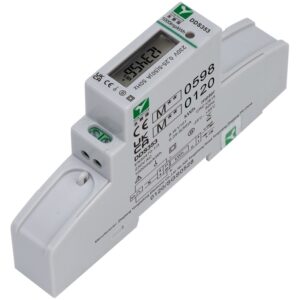
50 A Single-Phase DIN-Rail MID Sub-Billing Energy Meter
View Products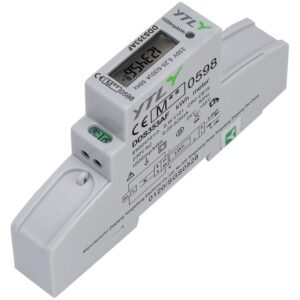
50 A Single-Phase DIN-Rail MID Sub-Billing Energy Meter
View Products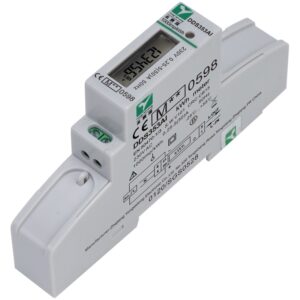
50 A Single-Phase DIN-Rail MID Sub-Billing Energy Meter
View Products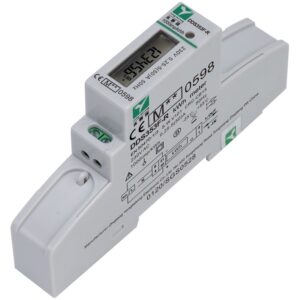
50 A Single-Phase DIN-Rail MID Sub-Billing Energy Meter
View Products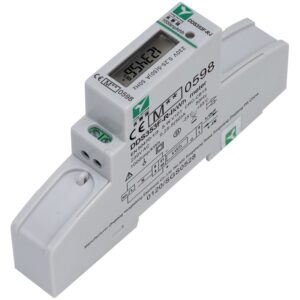
50 A Single-Phase DIN-Rail MID Sub-Billing Energy Meter
View Products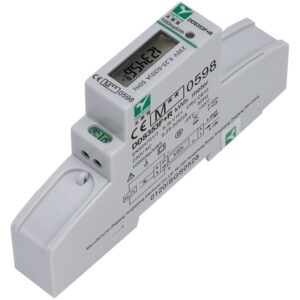
50 A Single-Phase DIN-Rail MID Sub-Billing Energy Meter
View Products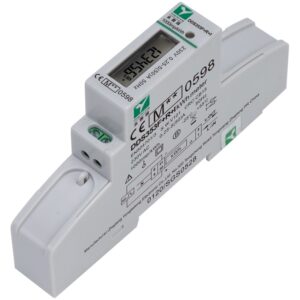
50 A Single-Phase DIN-Rail MID Sub-Billing Energy Meter
View Products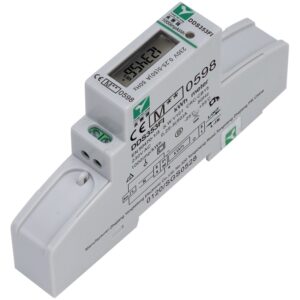
50 A Single-Phase DIN-Rail MID Sub-Billing Energy Meter
View Products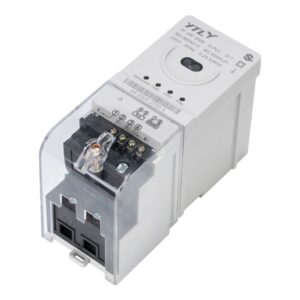
80 A Single-Phase DIN-Rail Prepayment Meter with G3 PLC
View Products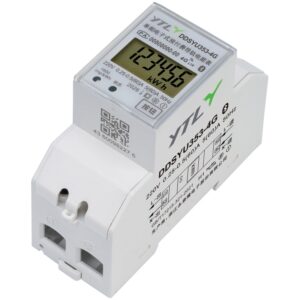
Single-Phase Prepaid Power Data Collector with 4G
View Products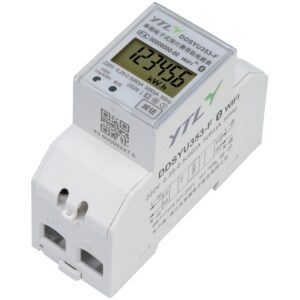
Single-Phase Prepaid Power Data Collector with WiFi
View Products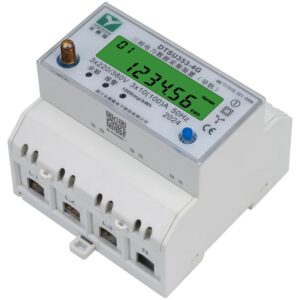
Three-Phase Prepaid Power Data Collector with 4G
View Products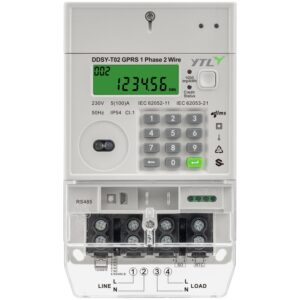
Single-Phase Two-Wire Wall-Mounted 4G Smart Prepayment Meter
View Products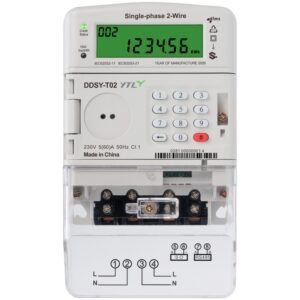
GPRS Single-Phase STS Wall-Mounted Prepayment Meter
View Products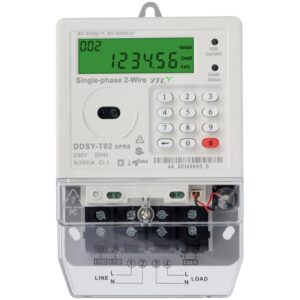
Single-Phase STS Prepayment Meter
View Products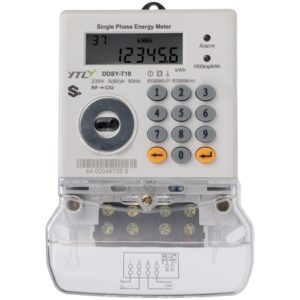
Single-Phase Prepayment Meter with WiFi and Bluetooth
View Products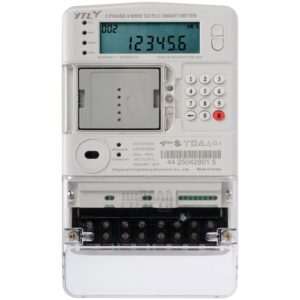
Three-Phase STS Wall-Mounted Prepayment Meter
View Products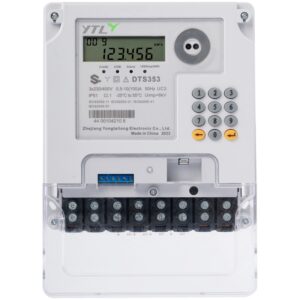
Three-Phase Prepayment Meter with WiFi and Bluetooth
View Products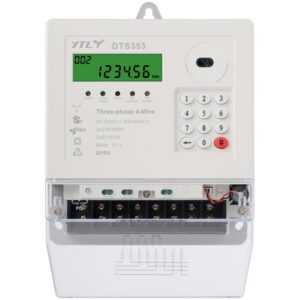
Three-Phase STS Prepayment Meter
View Products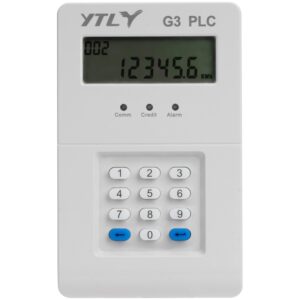
G3-PLC In-Home Display (IHD)
View Products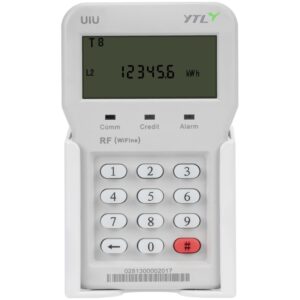
RF In-Home Display (CIU)
View Products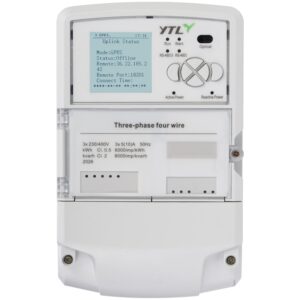
Smart Data Concentrator Unit (DCU) for AMI
View Products Smart Data Concentrator Unit (DCU) for AMI
View Products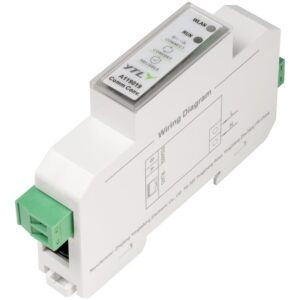
RS485 to Ethernet/WiFi Converter
View ProductsMark the AC input, branch, DC bus, module or other point on the charger electrical drawing and state the data purpose.
Provide phase where applicable, voltage, maximum current, direct or CT input, or DC shunt or sensor method. Do not select from kW alone.
State whether the project needs regulated billing, internal settlement or operational monitoring, plus the target country or market.
Verify meter model, configuration, certificate or document requirements and destination-market scope before quotation or claims.
Provide controller model, required interface, data points, protocol or register map, data interval and gateway or platform path.
Plan electrical comparison, polarity or wiring checks, controller readout, platform mapping, loss-of-communication behavior and site handover.
Charger power alone is not enough to select an EV charging energy meter. First determine whether measurement is required on the AC or DC side, then confirm the voltage, maximum current, phase and wiring where applicable, direct/CT/shunt/sensor connection, installation space, accuracy requirements, communication interface, billing purpose and target market. Controller or backend integration requirements should also be defined before the final meter model is selected.
AC-side metering measures energy on the AC input or distribution side of the charging system, while DC-side metering measures energy on the DC power path after AC/DC conversion. AC-side meter selection typically considers phase, voltage, current and direct or CT connection. DC-side selection requires evaluation of DC voltage and current, shunt or sensor arrangement, polarity, auxiliary supply, installation conditions and the required data interface.
No. A MID-certified meter is not required for every EV charging project. The applicable metrology and certification requirements depend on how the measurement data is used, the destination market and the exact meter model and configuration. Projects involving regulated billing may have different requirements from operational monitoring, internal energy management or maintenance applications. Buyers should verify the applicable market requirements and model-specific certification documents before final meter selection.
Selected YTL energy meters can be evaluated for integration with EV charging controllers, gateways or backend platforms. Compatibility depends on the exact meter interface, communication protocol, register map or data format, required data points, controller architecture and system data path. These requirements should be reviewed together during meter selection and validated before project deployment rather than assuming that one communication-enabled meter is compatible with every charging platform.
Tell us your requirements and our team will provide a professional solution and quotation within 24 hours.
 Optimized by Seraphinite Accelerator