
Metering Hardware Layer
Confirm the service type, electrical input, connection method, installation route, customer interface and intended use of the energy record.

YTL provides smart meters, communication devices and data collection products for AMI applications, supporting utilities and system integrators with reliable energy measurement, remote reading and scalable metering infrastructure.
Confirm the service type, electrical input, connection method, installation route, customer interface and intended use of the energy record.
Confirm the meter interface, field network, gateway or data concentrator, protocol or register map, site topology and network-service responsibility.
Define the required HES or MDMS, vending, token and key management, payment, customer-account, API or SDK, hosting and support responsibilities.
The same meter portfolio may support different project routes, but the communication, software and acceptance requirements are not the same.
For projects that collect meter data through a verified local interface, gateway or data concentrator without requiring a complete AMI platform. Confirm the interface, device count, site topology, data interval, exception handling and destination system.
For projects that require scalable field communication, device management, head-end collection and structured meter-data handling. Confirm the network, DCU or gateway, HES or MDMS owner, security requirements, pilot scale and rollout acceptance criteria.
For projects that combine meter hardware with a customer credit, token or vending workflow. Confirm the meter and customer-interface configuration, vending and key-management responsibilities, payment route, customer support and local requirements.
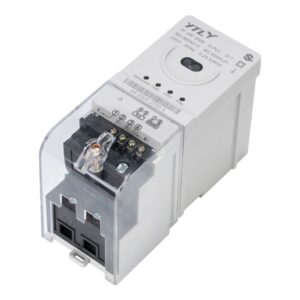
80 A Single-Phase DIN-Rail Prepayment Meter with G3 PLC
View Products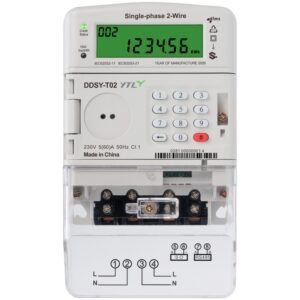
GPRS Single-Phase STS Wall-Mounted Prepayment Meter
View Products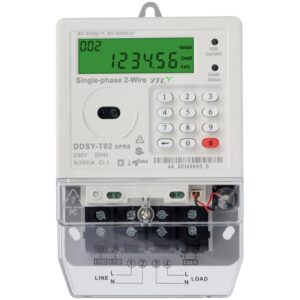
Single-Phase STS Prepayment Meter
View Products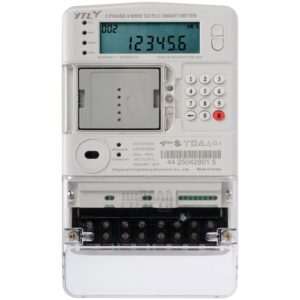
Three-Phase STS Wall-Mounted Prepayment Meter
View Products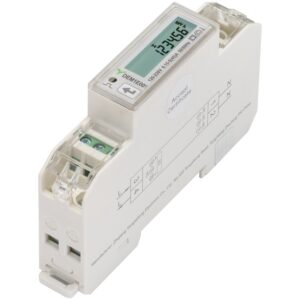
45 A Single-Phase DIN-Rail Energy Meter with SO Pulse Output
View Products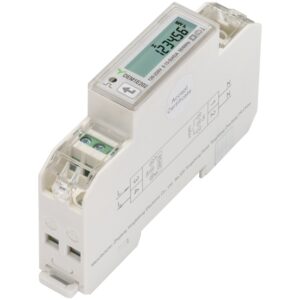
45 A Single-Phase DIN-Rail Energy Meter with RS485
View Products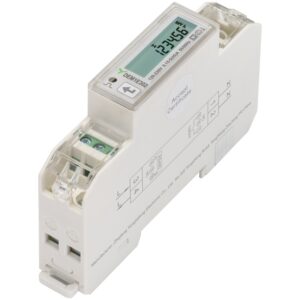
45 A Single-Phase DIN-Rail Energy Meter with RS485 and TOU
View Products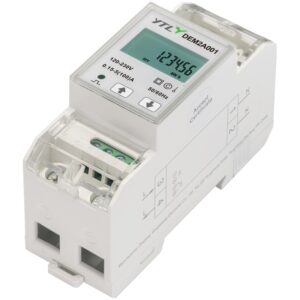
100 A Single-Phase DIN-Rail Energy Meter with SO Pulse Output
View Products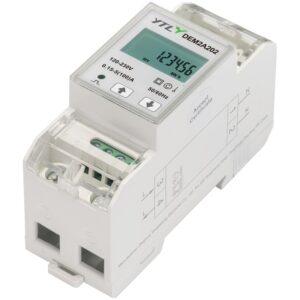
100 A Single-Phase DIN-Rail Energy Meter with RS485
View Products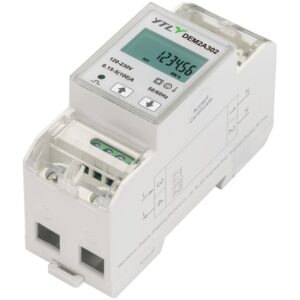
100 A Single-Phase DIN-Rail Energy Meter with RS485 and TOU
View Products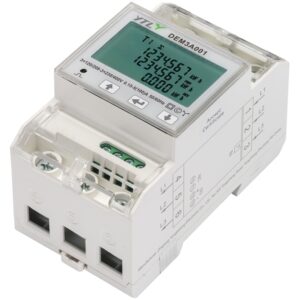
100 A Three-Phase DIN-Rail Energy Meter with SO Pulse Output
View Products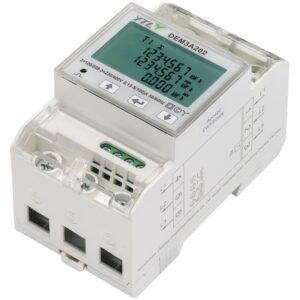
100 A Three-Phase DIN-Rail Energy Meter with RS485
View Products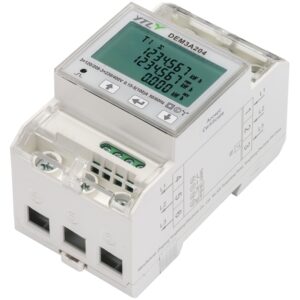
DEM3A204 100 A Three-Phase DIN-Rail Energy Meter with M-Bus
View Products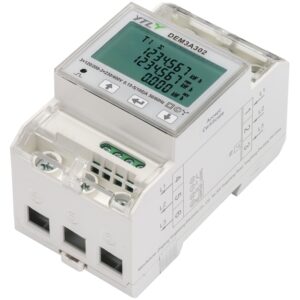
DEM3A302 100 A Three-Phase DIN-Rail Energy Meter with RS485 and TOU
View Products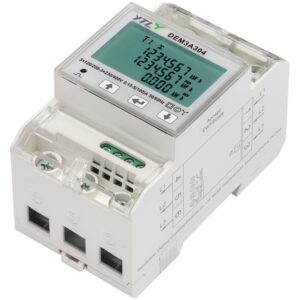
DEM3A304 100 A Three-Phase DIN-Rail Energy Meter with M-Bus and TOU
View Products
DEM3K001 6 A Three-Phase CT-Operated DIN-Rail Energy Meter with SO Pulse Output
View Products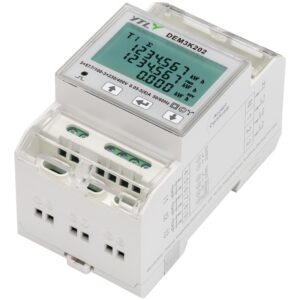
DEM3K202 6 A Three-Phase CT-Operated DIN-Rail Energy Meter with RS485
View Products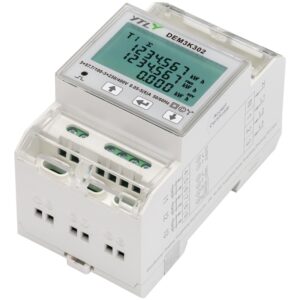
6 A Three-Phase CT-Operated DIN-Rail Energy Meter with RS485 and TOU
View Products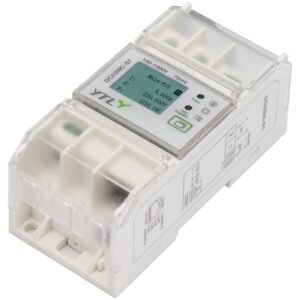
75 mV External-Shunt DC Energy Meter with RS485 and Ethernet
View Products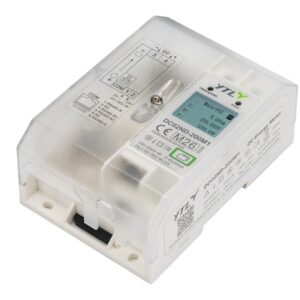
200 A Integrated-Shunt DC Energy Meter with RS485 and Ethernet
View Products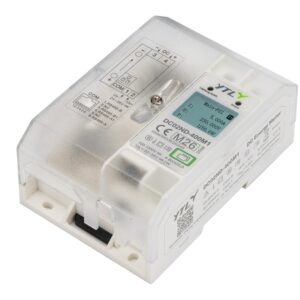
400 A Integrated-Shunt DC Energy Meter with RS485 and Ethernet
View Products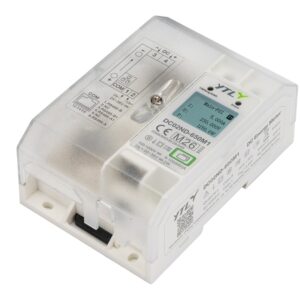
650 A Integrated-Shunt DC Energy Meter with RS485 and Ethernet
View Products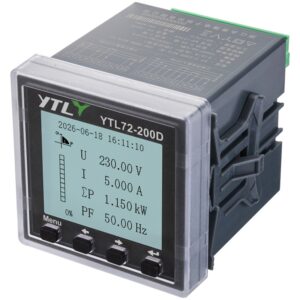
72 mm Panel-Mount Multifunction Power Meter with RS485
View Products 72 mm Panel-Mount Multifunction Power Meter with RS485 and DI/DO
View Products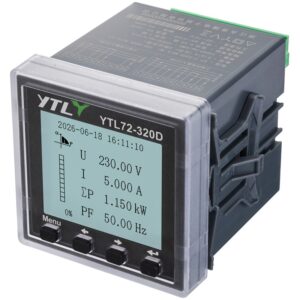
72 mm Panel-Mount Multifunction Power Meter with RS485, Y-Bus and DI/DO
View Products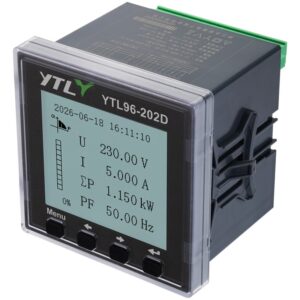
96 mm Panel-Mount Multifunction Power Meter with RS485 and Harmonic Analysis
View Products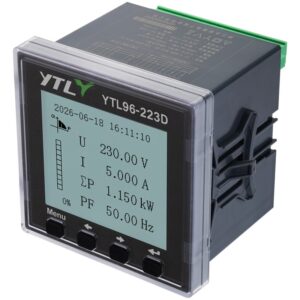
96 mm Panel-Mount Multifunction Power Meter with RS485, Y-Bus and Harmonic Analysis
View Products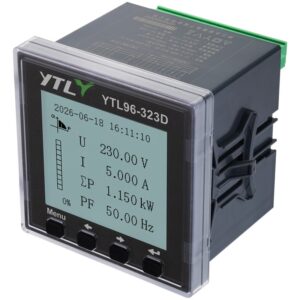
96 mm Panel-Mount Multifunction Power Meter with RS485, Y-Bus, Tariff and Harmonic Analysis
View Products
100 A Single-Phase DIN-Rail Energy Meter with Dual SO Pulse Output
View Products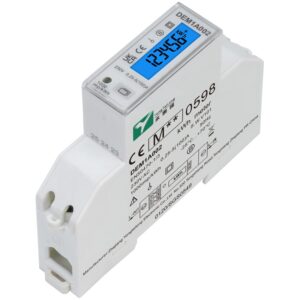
100 A Single-Phase DIN-Rail Energy Meter with RS485
View Products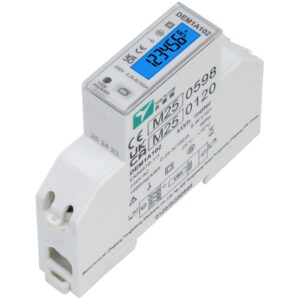
100 A Single-Phase DIN-Rail Energy Meter with RS485 and Multi-Tariff
View Products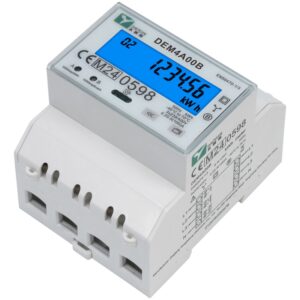
100 A Three-Phase DIN-Rail Energy Meter with RS485 and Dual SO Output
View Products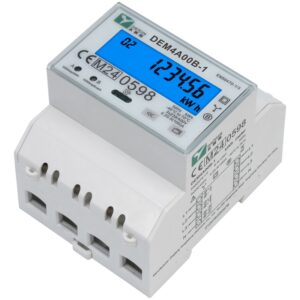
100 A Three-Phase DIN-Rail Energy Meter with RS485 (Bottom-to-Top Wiring)
View Products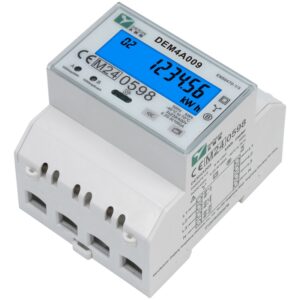
100 A Three-Phase DIN-Rail Energy Meter with IR and Dual SO Output
View Products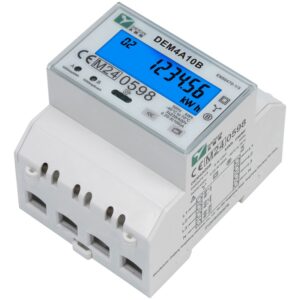
100 A Three-Phase DIN-Rail Energy Meter with RS485, Multi-Tariff and Dual SO Output
View Products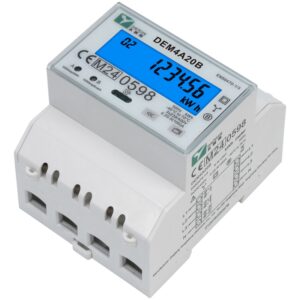
100 A Three-Phase DIN-Rail Energy Meter with RS485, SO Output and Signal Input
View Products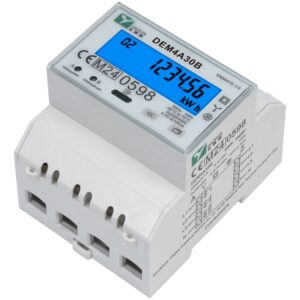
100 A Three-Phase DIN-Rail Energy Meter with RS485, Multi-Tariff, SO Output and Signal Input
View Products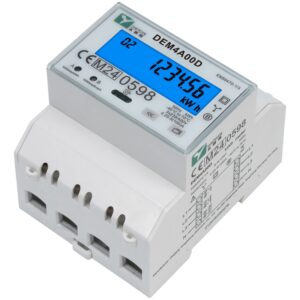
100 A Three-Phase DIN-Rail Energy Meter with M-Bus and Dual SO Output
View Products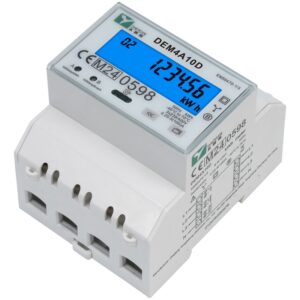
100 A Three-Phase DIN-Rail Energy Meter with M-Bus, Multi-Tariff and Dual SO Output
View Products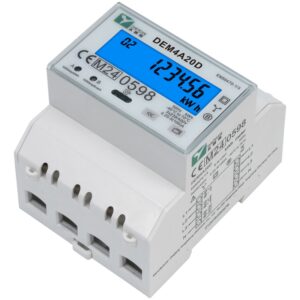
100 A Three-Phase DIN-Rail Energy Meter with M-Bus, SO Output and Signal Input
View Products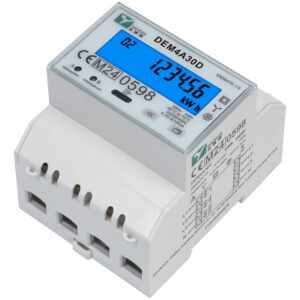
100 A Three-Phase DIN-Rail Energy Meter with M-Bus, Multi-Tariff, SO Output and Signal Input
View Products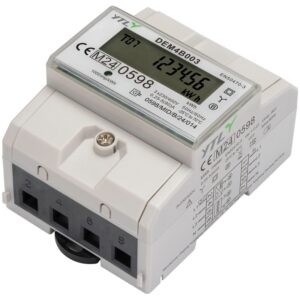
80 A Three-Phase DIN-Rail Energy Meter with RS485
View Products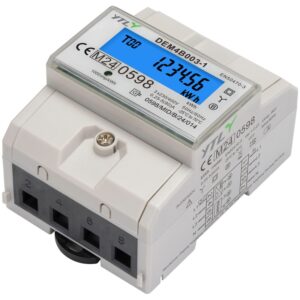
80 A Three-Phase DIN-Rail Energy Meter with RS485 and LCD Backlight
View Products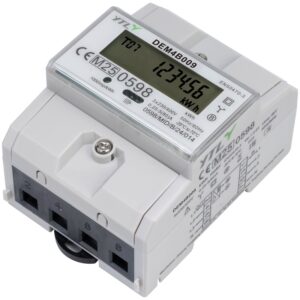
80 A Three-Phase DIN-Rail Energy Meter with Infrared Communication
View Products
80 A Three-Phase DIN-Rail Energy Meter with Infrared Communication and LCD Backlight
View Products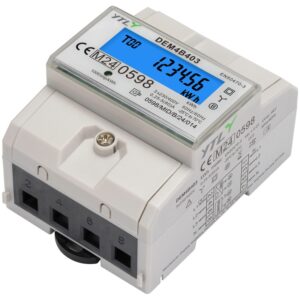
80 A Three-Phase DIN-Rail Energy Meter with RS485 and Power Outage Display
View Products
80 A Three-Phase DIN-Rail Energy Meter with RS485 and Power Outage Display
View Products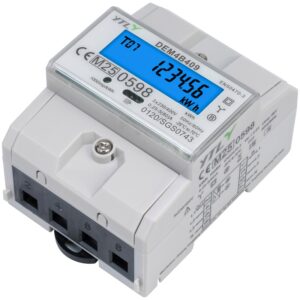
80 A Three-Phase DIN-Rail Energy Meter with Infrared Communication and Power Outage Display
View Products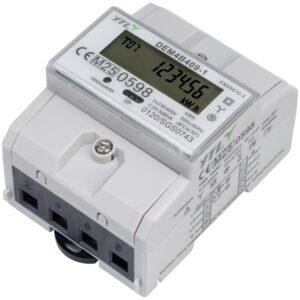
80 A Three-Phase DIN-Rail Energy Meter with Infrared Communication and Power Outage Display
View Products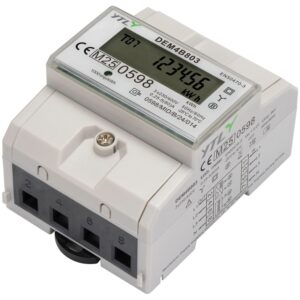
80 A Three-Phase DIN-Rail Energy Meter with RS485, RTC and Multi-Tariff
View Products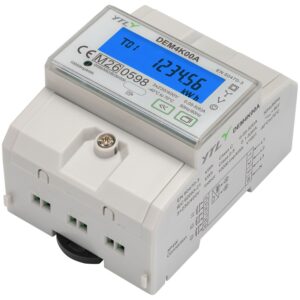
6 A Three-Phase CT-Operated DIN-Rail Energy Meter with Infrared Communication
View Products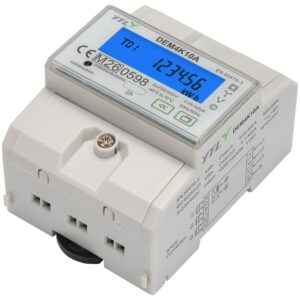
6 A Three-Phase CT-Operated DIN-Rail Energy Meter with Infrared Communication, RTC and Multi-Tariff
View Products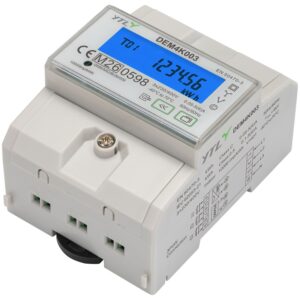
6 A Three-Phase CT-Operated DIN-Rail Energy Meter with RS485
View Products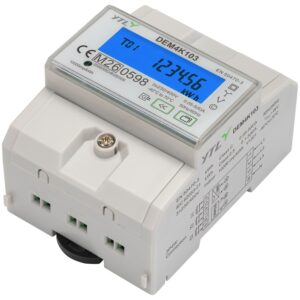
6 A Three-Phase CT-Operated DIN-Rail Energy Meter with RS485, RTC and Multi-Tariff
View Products
100 A Single-Module Anti-Reverse-Flow Energy Meter with CT and WiFi/Bluetooth
View Products
200–2400 A Single-Module Anti-Reverse-Flow Energy Meter with Rogowski Coil and WiFi/Bluetooth
View Products
200–2400 A Single-Module Anti-Reverse-Flow Energy Meter with Rogowski Coil and 4G
View Products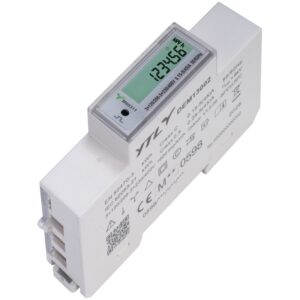
45 A Three-Phase Four-Wire DIN-Rail Energy Meter for EV Charging
View Products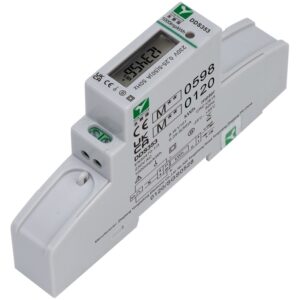
50 A Single-Phase DIN-Rail MID Sub-Billing Energy Meter
View Products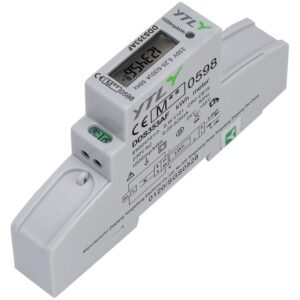
50 A Single-Phase DIN-Rail MID Sub-Billing Energy Meter
View Products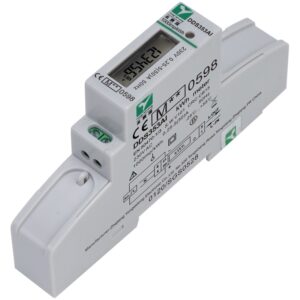
50 A Single-Phase DIN-Rail MID Sub-Billing Energy Meter
View Products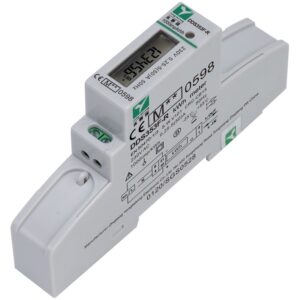
50 A Single-Phase DIN-Rail MID Sub-Billing Energy Meter
View Products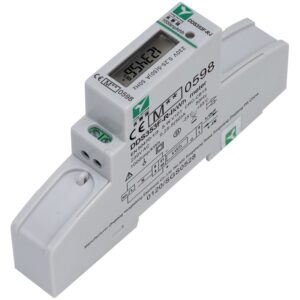
50 A Single-Phase DIN-Rail MID Sub-Billing Energy Meter
View Products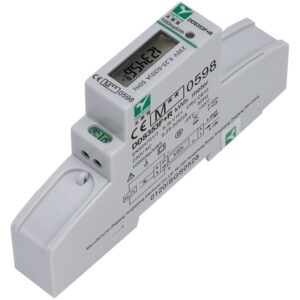
50 A Single-Phase DIN-Rail MID Sub-Billing Energy Meter
View Products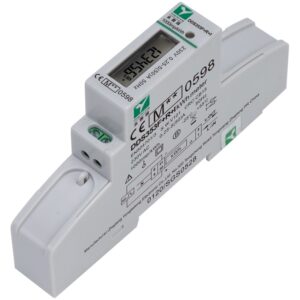
50 A Single-Phase DIN-Rail MID Sub-Billing Energy Meter
View Products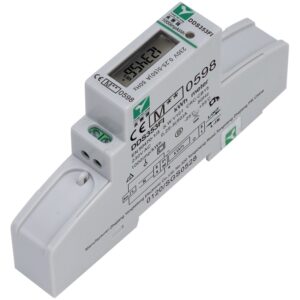
50 A Single-Phase DIN-Rail MID Sub-Billing Energy Meter
View Products 80 A Single-Phase DIN-Rail Prepayment Meter with G3 PLC
View Products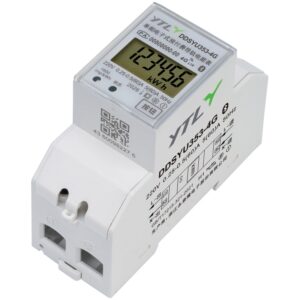
Single-Phase Prepaid Power Data Collector with 4G
View Products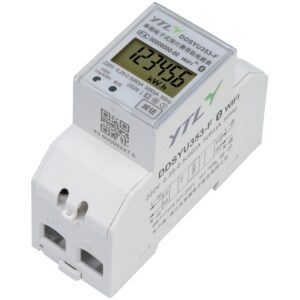
Single-Phase Prepaid Power Data Collector with WiFi
View Products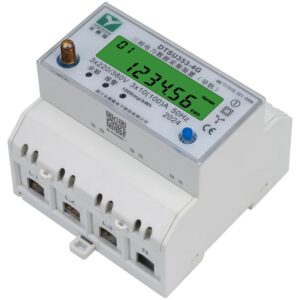
Three-Phase Prepaid Power Data Collector with 4G
View Products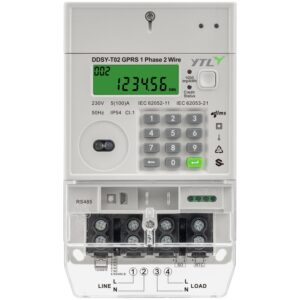
Single-Phase Two-Wire Wall-Mounted 4G Smart Prepayment Meter
View Products GPRS Single-Phase STS Wall-Mounted Prepayment Meter
View Products Single-Phase STS Prepayment Meter
View Products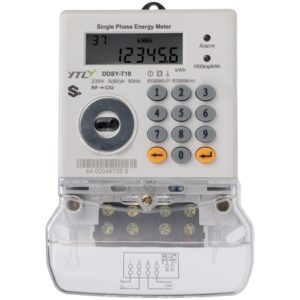
Single-Phase Prepayment Meter with WiFi and Bluetooth
View Products Three-Phase STS Wall-Mounted Prepayment Meter
View Products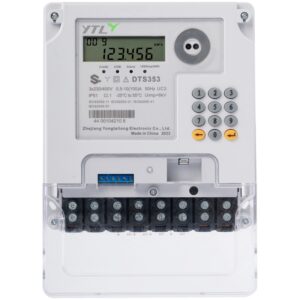
Three-Phase Prepayment Meter with WiFi and Bluetooth
View Products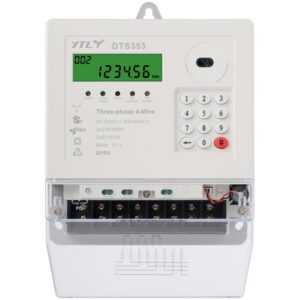
Three-Phase STS Prepayment Meter
View Products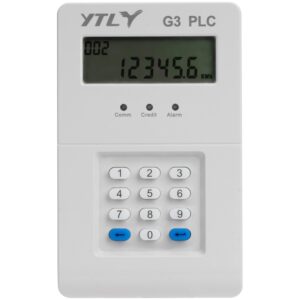
G3-PLC In-Home Display (IHD)
View Products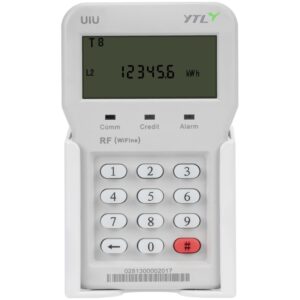
RF In-Home Display (CIU)
View Products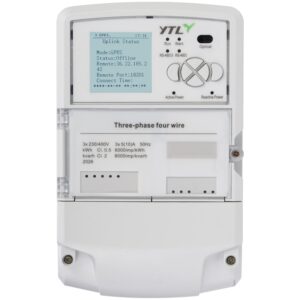
Smart Data Concentrator Unit (DCU) for AMI
View Products Smart Data Concentrator Unit (DCU) for AMI
View Products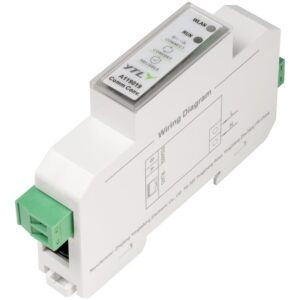
RS485 to Ethernet/WiFi Converter
View ProductsState whether the project is postpaid, prepaid, remote-reading, AMI, internal allocation or a combination with separately owned components.
Provide phase, voltage, maximum current, wiring, installation type, display or user-interface needs and quantity by site type.
Confirm the actual interface, network type, geography or frequency constraints where relevant, gateway or concentrator topology and expected device count.
Name the owner of the HES, MDMS, vending system, token service, API, cloud hosting, SIM provisioning, mobile-data service and customer support. Do not assume these services are included with the meter or data concentrator.
Define user roles, required data fields, credential or key management, access rules, audit records, cybersecurity requirements and acceptance evidence.
Agree the required read-success rate, data timeliness, missing-data handling, reconciliation, customer workflow, replacement process and support criteria before scaled deployment.
Remote meter reading focuses on collecting meter data through a defined communication path, while AMR/AMI adds broader field communication, device management and structured data collection. Prepaid metering adds a customer credit, token or vending workflow. A project may combine these routes, but the metering hardware, communication network, data-collection platform and prepaid-service responsibilities should be defined separately before hardware is selected.
No. Meter hardware does not automatically include HES, MDMS, vending, payment, SIM provisioning, cloud hosting or customer-account services. These are separate technical and commercial scopes unless they are explicitly included in the project agreement. The ownership and responsibility for each system layer should be confirmed during project definition.
A remote reading or AMI project should define the meter interface, field network, site topology, device count, gateway or data-concentrator architecture, communication protocol, register map or message structure, data interval and destination platform. For larger AMI deployments, also define HES/MDMS ownership, security requirements, pilot scale, exception handling and rollout acceptance criteria.
Utility and prepaid metering requirements are market- and project-specific. The exact meter model, configuration, certification or compliance documents, communication requirements, prepaid workflow, software integration and local utility specifications should be verified against the destination market before final selection. Website content alone should not be treated as confirmation of local utility acceptance.
Tell us your requirements and our team will provide a professional solution and quotation within 24 hours.
 Optimized by Seraphinite Accelerator