

A DC meter is a device used to measure the direct current (DC) power output of a solar panel or a DC power source. In the context of solar power generation and EV charging, a DC meter is used to measure the DC power output of a solar panel or an EV charging station.
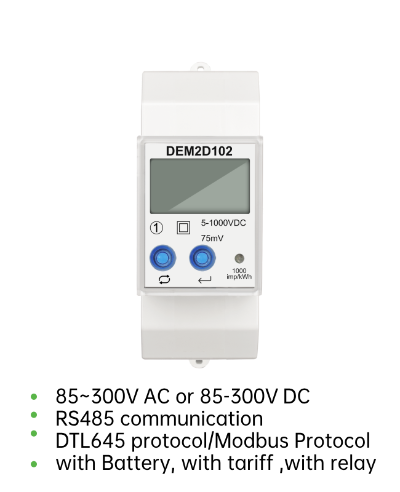 Here are some common applications of DC meters in solar power generation and EV charging:
1. Solar Power Generation:
* Measuring the DC power output of a solar panel or an array of solar panels.
* Monitoring the performance of a solar panel system, including the amount of energy generated and the efficiency of the system.
* Identifying any issues with the solar panel system, such as shading, soiling, or panel malfunction.
2. EV Charging:
* Measuring the DC power output of an EV charging station.
* Monitoring the charging process and ensuring that the charging station is functioning properly.
* Measuring the amount of energy transferred to the vehicle during charging.
3. Grid-Tied Systems:
* Measuring the DC power output of a grid-tied solar panel system, which sends excess energy back to the grid.
* Monitoring the grid-tied system’s performance and ensuring that it is functioning properly.
4. Off-Grid Systems:
* Measuring the DC power output of an off-grid solar panel system, which generates energy for use in remote locations without access to the grid.
Types of DC Meters used in Solar Power Generation and EV Charging:
1. Analog DC Meters: These meters use mechanical or electromechanical components to display the DC voltage and current.
2. Digital DC Meters: These meters use electronic components and display digital readouts of the DC voltage and current.
3. Programmable DC Meters: These meters can be programmed to measure specific parameters, such as voltage, current, power, or energy.
Key Features to Consider when Selecting a DC Meter:
1. Accuracy: Look for meters with high accuracy ratings to ensure reliable measurements.
2. Range: Choose a meter with a suitable range to accommodate the expected DC power output of your solar panel or EV charging station.
3. Resolution: Consider a meter with high resolution (e.g., 0.1A) for precise measurements.
4. Communication Protocol: If you plan to integrate the meter with other systems or monitor remotely, choose a meter with a compatible communication protocol (e.g., Modbus, RS-485).
5. Environmental Conditions: Consider a meter that can withstand extreme temperatures, humidity, and other environmental conditions.
When selecting a DC meter for your specific application, consult with industry experts or conduct thorough research to ensure you choose the right meter for your needs.
