









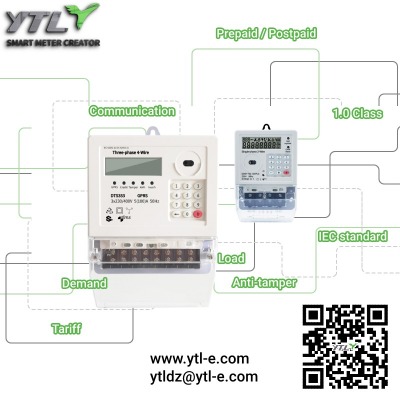
 Energy meter monitor , is an intelligent home device that can be used in conjunction with household energy meters to achieve functions such as monitoring, metering, fault diagnosis, smart control, and energy efficiency management of indoor electricity use. Compared to traditional energy meters, those equipped with energy meter monitors have more powerful functions and a more convenient user experience. It can real-time monitor the electricity usage of household appliances, helping users better manage electricity consumption, save energy, and improve energy efficiency. At the same time, it can also be connected to smart home systems to achieve remote and automated control of appliances, enhancing the intelligence of the home.
In conclusion, the energy meter monitor is an essential component of smart homes, as it can provide users with a more convenient, comfortable, and energy-saving living environment. The functions and purposes of the energy meter monitor vary greatly in different countries. In Africa, the energy meter monitor is mainly used for data viewing and recharging STS prepayment meters. Indoors, users can recharge electricity by inputting recharge tokens into the energy meter monitor that is used in conjunction with STS energy meters. In South America, the energy meter monitor is primarily used for preventing electricity theft. In South America, the energy meter is installed in high meter boxes on outdoor power poles to prevent users from easily accessing the meter to steal electricity. Users can view their electricity consumption through the accompanying energy meter monitor.
The use of energy meter monitors in Europe, North America, and Asia primarily enhances the convenience of power services. Users can view their electricity data indoors at any time, compare daily electricity consumption to increase energy-saving awareness, thereby achieving energy-saving effects.
Real-time data exchange is required between the energy meter and the energy meter monitor, and various communication methods are utilized, such as RS485, PLC, RF, Bluetooth, etc. Wireless communication methods are popular due to their simple installation and ability to be placed in any corner of the home without being limited by indoor locations, making them preferred by users.
